Sacrament of Reconciliation
-
God's Gift of Mercy: The Sacrament of Reconciliation — also called Penance or Confession — is an experience of God's boundless mercy. Jesus entrusted the ministry of reconciliation to the Church so that any sin committed after Baptism can be forgiven. In confession we have the opportunity to repent and recover the grace of friendship with God.
-
Who Should Go: Every Catholic who is conscious of having committed a mortal sin is obliged to confess it. The Church also warmly encourages confession of venial sins as a regular practice of spiritual growth. It is recommended to go to Confession at least once a year, and especially during Advent and Lent.
-
Receiving It More Than Once: There is no limit to how many times one may receive this sacrament. God's mercy is inexhaustible. Each time we return to Confession with a sincere heart, we are forgiven and restored to full communion with God and the Church.
-
The Seal of Confession: Everything shared with a priest in Confession is held in absolute confidentiality under the sacramental seal. The priest is permanently and unconditionally bound to secrecy. Nothing confessed may ever be revealed to anyone, for any reason.
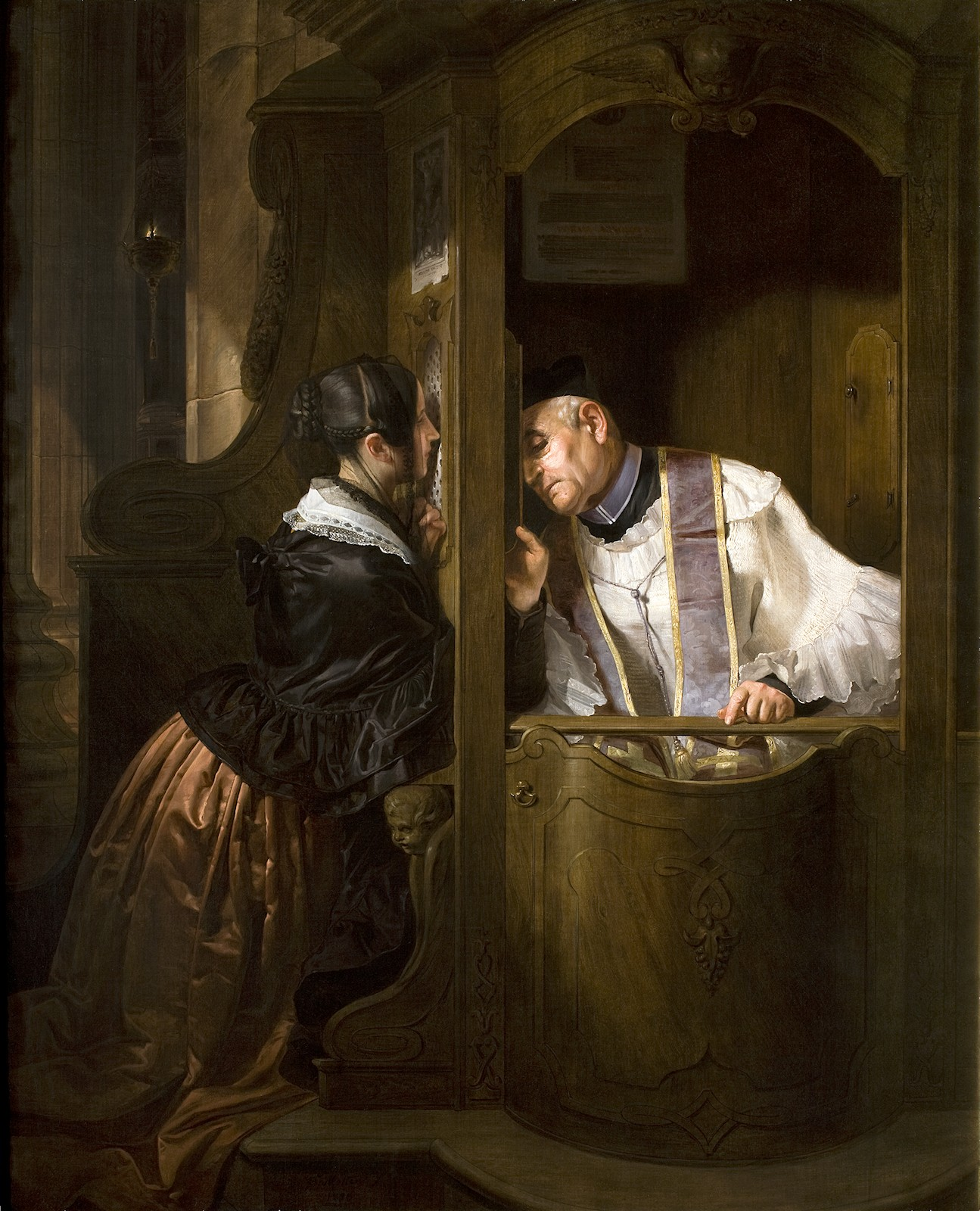
How to Go to Confession
-
Not Sure How? If it has been a while or you have never been to Confession, there is no need to worry. The priest is there to guide and support you, not to judge. The steps below walk you through what to expect.
1
Examination of Conscience
Prayerfully reflect on your thoughts, words, and actions since your last confession and how they measure up to God's commandments.
2
Contrition
Be truly sorry for your sins and resolve not to sin again. Perfect contrition comes from love of God; imperfect contrition from fear of punishment — both are valid.
3
Confession
Tell your sins honestly to the priest. You do not need to be perfect — simply be sincere. The priest may offer counsel and will assign a penance.
4
Absolution & Penance
The priest grants absolution in the name of Christ, and your sins are truly forgiven. Complete the assigned penance as an act of reparation and love.
Effects of the Sacrament
-
Forgiveness of Sins: Through the priest's absolution, God truly forgives every sin confessed with a sincere and contrite heart. Mortal sins that had severed the soul from God's grace are fully remitted, and the soul is restored to friendship with Him.
-
Reconciliation with the Church: Sin wounds not only our relationship with God but also with the Body of Christ. The sacrament reconciles us fully to the Church, restoring our place within the community of faith.
-
Peace and Spiritual Strength: The sacrament brings genuine peace of conscience and spiritual consolation. It also gives us grace to resist future temptation, strengthening our will to live according to the Gospel.
-
Remission of Eternal Punishment: Absolution remits the eternal punishment due to mortal sin. Through the penance assigned by the confessor and our own acts of reparation, temporal punishment is also reduced, drawing us ever closer to God's perfect justice and mercy.
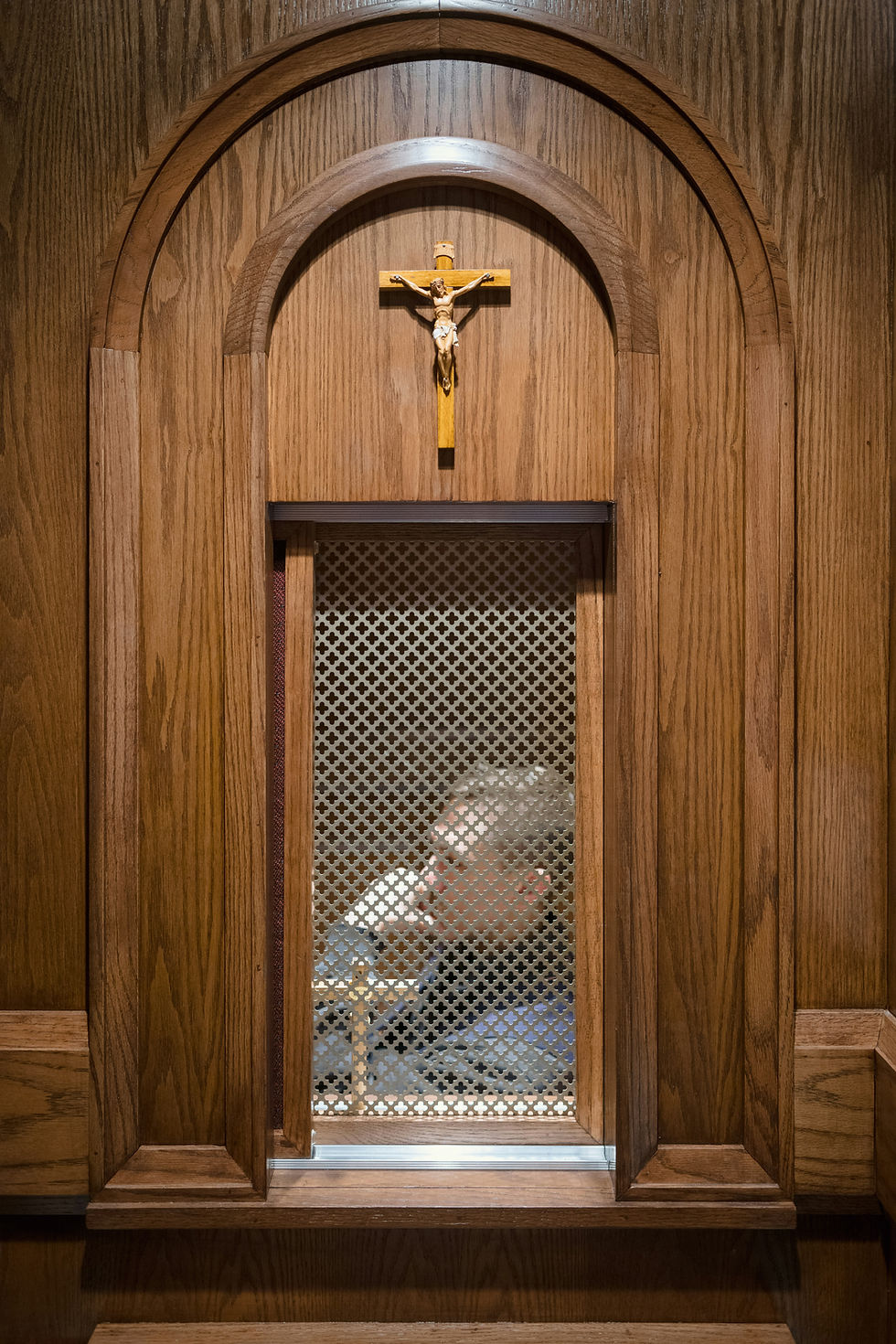
Confession Times at St. Thomas
Ready to receive the grace of this sacrament? View our current confession schedule and plan your visit.